
$450–$8,000 Termite Treatment Costs for Homeowners, Questions to Ask
$450–$8,000 Termite Treatment Costs for Homeowners, Questions to Ask
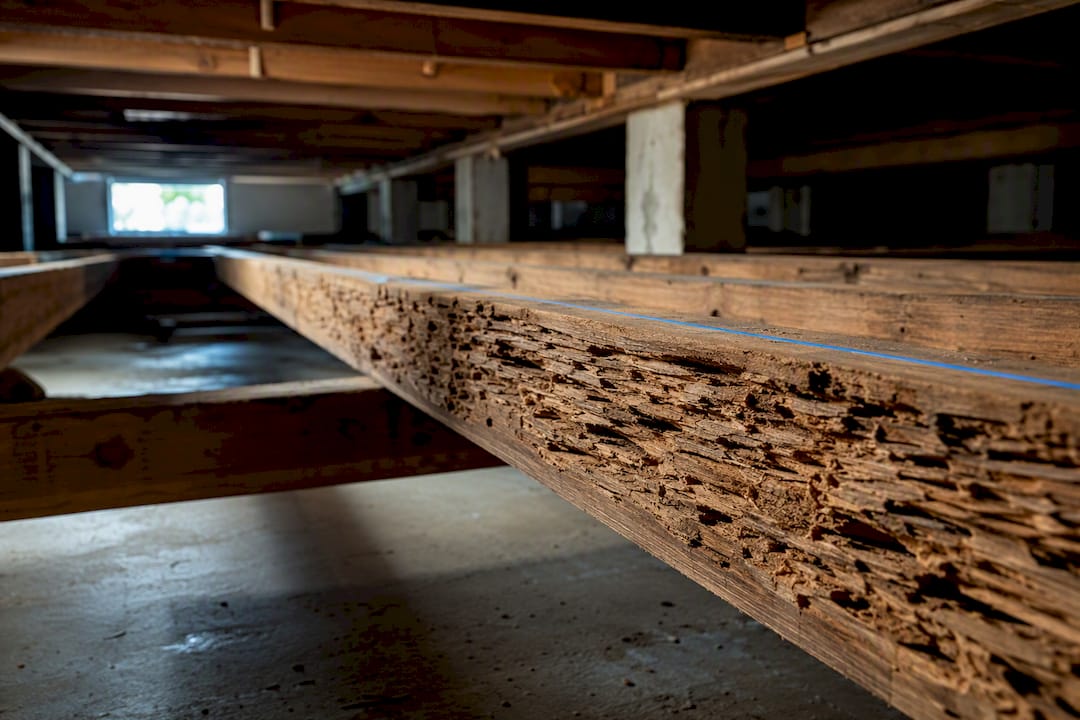
Most termite treatments typically cost from several hundred to a few thousand dollars, with most jobs falling in the mid-range depending on the method your house needs. Liquid barriers and spot treatments sit at the low end; whole-house fumigation for drywood termites pushes toward the top. Species, home size, and how far the infestation has spread decide where you land, but even a $3,000 treatment is a bargain compared to the repair bill an ignored colony leaves behind.
TL;DR:
- The cost of termite treatments varies widely depending on the method, home size, and infestation severity, ranging from a few hundred to over eight thousand dollars.
- Liquid barrier treatments are priced per linear foot and typically cost between $450 and $3,200, suitable for subterranean termites.
- Whole-house fumigation, mainly for drywood termites, can cost from $1,200 to over $8,000, depending on house size and number of tents used.
- The species of termites and construction type significantly influence the treatment choice and the final cost, with drywood termites often requiring fumigation.
- Getting multiple, itemized quotes and verifying local provider credentials can prevent overpaying or selecting an inadequate treatment.
Table of Contents
- How Much Does Termite Treatment Cost by Method and Home Size?
- What Affects Termite Treatment Cost the Most?
- How Each Treatment Method Works and What Drives Its Price
- What Do Termite Inspections and Warranties Typically Cost?
- How to Budget and Compare Termite Treatment Estimates
- Is Termite Treatment Cheaper Than Repairing the Damage?
- Bestservicelocal’s Take on Avoiding Surprise Termite Costs
- Compare Termite Treatment Quotes by ZIP Code
- Sources
- FAQ
How Much Does Termite Treatment Cost by Method and Home Size?
The method your technician recommends drives price more than almost anything else. A national aggregate for 2026 puts the average professional job around $575, but that figure hides enormous variation between a small spot treatment and a full tenting job on a 3,000-square-foot house.
Liquid barrier treatments typically run $3 to $16 per linear foot, so a home with a 150 to 200 foot perimeter usually lands somewhere between $450 and $3,200. Bait systems ask for more money upfront but spread it out differently: installation typically costs $1,500 to $3,500, plus ongoing monitoring. Whole-house fumigation, reserved mostly for drywood termites, commonly costs $1,200 to $8,000 or more, scaling with square footage and how many tents the crew needs to seal the structure.
| Treatment Method | Typical Cost Range | Best For |
|---|---|---|
| Spot treatment | $300 to several hundred dollars | Small, localized infestations |
| Liquid soil barrier | $450–$3,200 | Subterranean termites, whole perimeter |
| Bait system | $1,500–$3,500 upfront | Long-term prevention and monitoring |
| Borate wood treatment | $450 to $1,800 | New construction or exposed wood |
| Heat treatment | $1,200 to $3,200 | Drywood termites in accessible areas |
| Whole-house fumigation | $1,200–$8,000+ | Widespread drywood infestations |
A small starter home might see a $600 spot treatment. A mid-size house with a subterranean colony around the foundation often lands near $1,800 for a liquid barrier. A larger home needing full fumigation can easily clear $5,000 once tenting, prep, and re-entry inspections are factored in.
What Affects Termite Treatment Cost the Most?
Two homes with similar square footage can get wildly different quotes, and it usually comes down to four variables working together rather than any single factor.
- Termite species: Subterranean termites respond well to liquid barriers or bait, but drywood termites often require fumigation, which is why species identification matters before any contract gets signed.
- Infestation severity: A spot treatment addresses one localized colony; a whole-structure infestation demands perimeter-wide work or tenting, multiplying the price.
- Construction and access: Crawlspaces are cheaper to treat than a slab foundation, which sometimes requires drilling through concrete to inject chemicals, adding labor hours.
Pro Tip: Ask your inspector to name the exact species found before you approve a treatment plan. A quote built around the wrong species wastes money and buys you a callback in six months.
How Each Treatment Method Works and What Drives Its Price
Knowing the mechanics behind each method helps you spot whether a quote is fair or padded.
- Liquid soil barrier: Technicians trench around the foundation and inject termiticide into the soil, creating a chemical barrier subterranean termites can’t cross. It’s priced per linear foot and starts working within days, making it one of the faster options to see results.
- Baiting systems: Stations get installed around the perimeter and checked on a regular schedule, often quarterly. The upfront installation fee is only part of the cost; ongoing monitoring visits add $100 to $300 per year but eventually target the entire colony, not just the workers near your house.
- Fumigation (tenting): Required almost exclusively for widespread drywood infestations, this involves sealing the entire structure and introducing a fumigant gas. It costs more because it involves a multi-day process, temporary relocation, and specialized equipment.
- Spot treatment: Direct injection or foam application into a specific area of active activity, appropriate when the infestation hasn’t spread beyond one section of wall or wood.
- Heat treatment: Raises interior temperatures high enough to kill termites without chemicals, useful in accessible drywood infestations but limited by home layout.
- Borate treatments: Applied to exposed or new-construction wood as a preventive barrier rather than a cure for an active colony.
Some providers propose combining methods, such as a liquid barrier plus spot treatment on a problem area. That combination adds cost but often makes sense when an inspection finds both a general subterranean presence and one isolated drywood pocket.
What Do Termite Inspections and Warranties Typically Cost?
Inspection fees generally run $75 to $325, though many companies waive that fee entirely once you sign on for treatment. A thorough inspection report should document every area checked, evidence found, and the recommended treatment scope.
- Re-treatment-only bonds cover follow-up service if termites return, usually with a lower annual renewal fee.
- Repair-inclusive bonds cover both re-treatment and structural damage, costing more upfront and annually but offering real protection in high-pressure regions.
- Confirm in writing: what triggers a free retreatment, what’s excluded, and whether the bond transfers to a new owner if you sell the house.
How to Budget and Compare Termite Treatment Estimates
Getting three quotes for the same job often produces three different numbers, and the difference usually isn’t random.
- Measure your home’s perimeter and confirm the termite species with your inspector before requesting formal bids.
- Ask for itemized quotes that separate chemical costs, drilling or tenting fees, disposal, labor, and warranty pricing, so you can compare line by line instead of just comparing totals.
- Verify licensing and warranty terms in writing, and ask for references or photos from similar jobs in your area.
- Compare verified local providers through a platform like Best Service Local, which lets you search by service and ZIP code and see business profiles side by side.
Pro Tip: A quote that’s dramatically lower than the others usually means a corner is being cut, whether that’s a thinner chemical barrier, a shorter warranty, or no follow-up monitoring included.
Is Termite Treatment Cheaper Than Repairing the Damage?
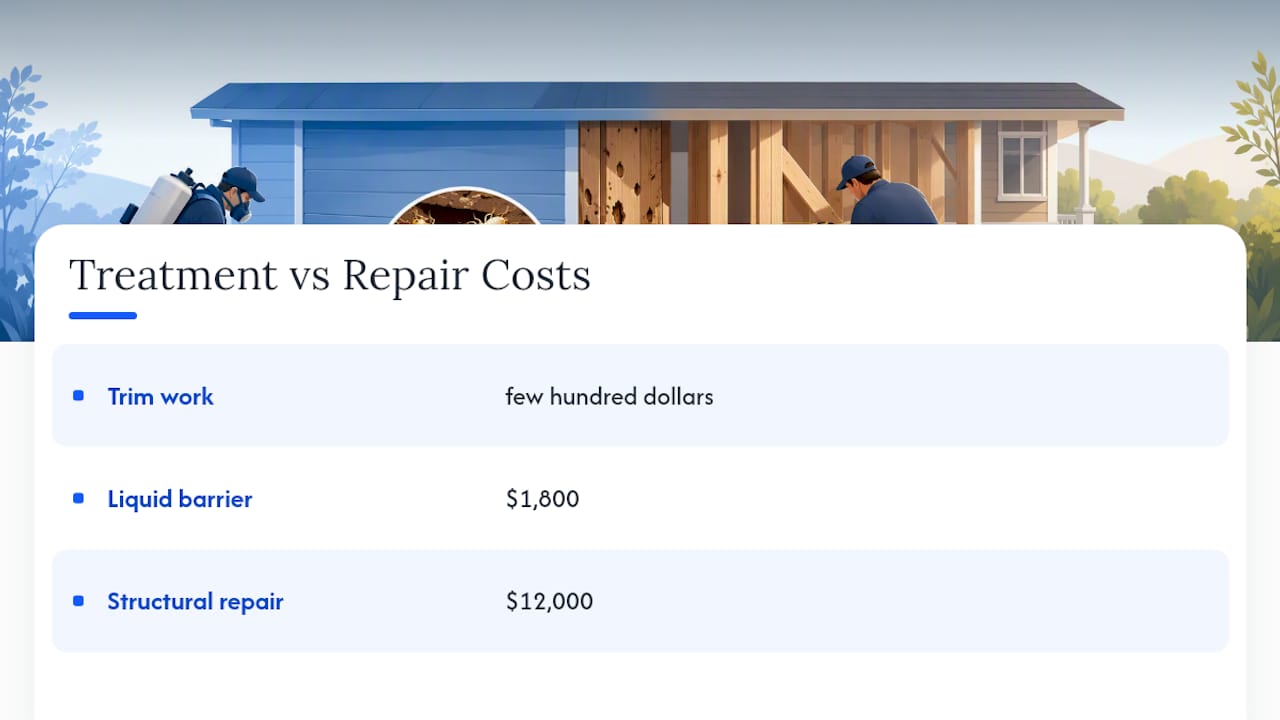
Almost always, yes, and often by a wide margin. Repair costs for termite damage range from a few hundred dollars for trim work to several thousand for structural beams or foundation issues, and those numbers climb fast once framing or load-bearing wood is compromised.
A $1,800 liquid barrier treatment looks inexpensive next to a $12,000 structural repair bill for rotted floor joists. Most homeowners insurance policies exclude termite damage entirely, treating it as a maintenance issue rather than a covered peril, which means the full repair cost typically falls on the homeowner — readers can find more details about such coverage issues in the Homeowners insurance Insurance Articles. That gap is exactly why catching an infestation early, and paying for treatment promptly, tends to be the cheaper path every time.
Bestservicelocal’s Take on Avoiding Surprise Termite Costs
The biggest cost risk isn’t the treatment itself. It’s signing with a provider before comparing at least two other bids. Verified profiles and side-by-side comparisons cut down on that risk by showing you real credentials and pricing patterns before you commit. Expect a marketplace to speed up research, not replace the judgment of asking good questions.
— Service
Compare Termite Treatment Quotes by ZIP Code
A marketplace platform can be the faster way to line up multiple termite quotes without calling five companies separately. Users can search by service and ZIP code, view business profiles, and compare pricing and warranty terms side by side before contacting providers.

Once you’ve got a shortlist, request itemized quotes from each provider and compare bond terms line by line, since that’s usually where the real cost differences hide. If pest issues aren’t your only concern this season, the same search works for landscaping in Woodstock or other home services in your ZIP code. Ready to see who’s operating near you? Find local termite professionals now and start comparing quotes today.
Sources
- Termite Treatment Cost 2026: Complete Pricing Guide
- How Much Does Termite Treatment Cost? (2026 Guide) | CostWhale
- IPM: Termites (UC ANR)
FAQ
Is It Expensive to Get Rid of Termites?
Costs typically range from several hundred to a few thousand dollars, with most homeowners paying a moderate amount depending on the treatment method and infestation size.
Is Termite Treatment Worth the Cost?
Yes. Repair bills for structural or foundation damage often reach thousands of dollars more than the treatment itself, and most homeowners insurance policies won’t cover termite damage.
What Smells Do Termites Avoid?
Termites tend to avoid strong scents like clove, cedar, and vinegar, but these aren’t reliable substitutes for professional treatment since they don’t eliminate an established colony.
How Much Does Professional Termite Treatment Typically Cost?
Professional treatment fees vary by company and method, generally falling between a few hundred dollars for spot treatments and several thousand for fumigation. Comparing itemized quotes from verified local providers, such as those listed on Bestservicelocal, helps you see where a specific bid falls within that range.