
Estimate Pest Control Cost by ZIP: $150–$250 Benchmark for Homeowners
Estimate Pest Control Cost by ZIP: $150–$250 Benchmark for Homeowners

Many homeowners pay in a range from lower to higher prices for professional pest control per visit, with averages typically falling in the mid-hundreds depending on the pest, severity, and treatment method used. Bed bugs, termites, and wildlife removal push well past that range. Below, we break the national numbers down by pest type and show you how to adjust them for your ZIP code, your home, and your specific infestation.
TL;DR:
- Bed bug heat treatments and fumigation can cost thousands due to specialized equipment and whole-structure coverage, making professional service more affordable long-term for severe infestations.
- Treatment costs for pests like termites and bed bugs include ongoing monitoring or installation of bait systems, with upfront prices around $1,000 and additional inspection fees.
- Regional factors such as climate and home size significantly influence costs, requiring adjustment from the national average, plus a need to clarify treatment scope in quotes.
- Quotes vary based on infestation severity, accessibility, chosen method, and warranty coverage, with multiple visits often being the biggest cost factor for severe or complex pests.
- Prioritize local providers with transparent, itemized estimates, clear scope of work, and warranties, and compare at least two quotes to ensure fair pricing and appropriate treatment plans.
Table of Contents
- National pest control price ranges you can use as a benchmark
- Cost breakdown by pest and treatment type
- How to turn a national average into a local estimate
- Key factors that change a pest control quote
- One-time treatments vs. recurring plans: which is worth it?
- What integrated pest management means for your costs and safety
- Questions to ask and red flags to watch for in a quote
- Our take on comparing local pest control quotes
- Finding transparent local pest control quotes through Best Service Local
- FAQ
- Sources
National pest control price ranges you can use as a benchmark
A single pest control visit for common household pests like ants or spiders typically runs $50 to $500, with most homeowners paying in the $150 to $250 band for a standard one-time treatment, according to cost data compiled by This Old House. That range covers inspection, product application, and a basic follow-up window, but it shifts fast once the pest or the property gets complicated.

A single bed bug heat treatment or tented fumigation can run into the thousands, since these methods demand specialized equipment, extended prep, and whole-structure coverage rather than a spot treatment, per This Old House. That figure alone explains why bed bugs and termites dominate the high end of any pest cost conversation.
Beyond one-time visits, many providers sell maintenance plans:
- Monthly plans generally cost less per visit but add up over a year, often used for ongoing ant, spider, or roach pressure.
- Quarterly plans space out visits and usually include a free callback if pests return between scheduled treatments.
- Annual contracts often bundle a termite inspection with general pest coverage at a blended rate.
High-cost procedures like fumigation or heat treatment are priced per project, not per visit, because they require tenting, temperature control, or soil injection equipment that a routine spray never touches. DIY traps and store-bought baits can handle light, early-stage problems for a fraction of the cost, but once an infestation spreads into walls, attics, or a structure’s foundation, professional treatment almost always becomes the cheaper option in the long run, since repeated DIY attempts rarely solve a established colony.
Cost breakdown by pest and treatment type
Pricing swings dramatically depending on what you’re dealing with, because the pest determines the method, and the method determines the labor and equipment involved.
- Ants and roaches: typically the least expensive calls, often handled with targeted baiting or crack-and-crevice treatment rather than broad spraying.
- Bed bugs: among the costliest household pests to treat, frequently requiring heat treatment or multiple chemical visits plus extensive prep work.
- Termites: priced per linear foot of foundation or as a flat inspection-plus-treatment fee, with bait station systems adding ongoing monitoring costs.
- Rodents: priced around exclusion work (sealing entry points), trapping, and sometimes attic or crawlspace cleanup.
- Mosquitoes: usually sold as seasonal yard treatment plans rather than single visits.
- Wasps and stinging insects: typically a single-visit nest removal, priced by accessibility.
- Wildlife removal: among the more variable costs, since trapping and relocation of raccoons, squirrels, or birds involves specialized licensing and equipment.
| Pest or issue | Typical cost driver | Why it costs what it does |
|---|---|---|
| Ants/roaches | Baiting, crack-and-crevice work | Lower labor time, targeted product use |
| Bed bugs | Heat treatment or multi-visit chemical plan | Extensive prep, specialized equipment, follow-ups |
| Termites | Linear footage, bait stations, or soil treatment | Structural scope, ongoing monitoring |
| Rodents | Exclusion and trapping labor | Entry-point sealing and cleanup time |
| Mosquitoes | Seasonal yard applications | Recurring visits across warm months |
| Wasps | Single nest removal | Accessibility and protective equipment |
| Wildlife | Trapping, relocation, licensing | Specialized permits and handling |
Termite bait systems often run around $1,000 up front for installation and monitoring, with ongoing inspection fees layered on top, according to Ask Extension. That up-front number is frequently compared against soil-applied termiticide, which costs differently but skips the recurring monitoring fee. Bed bugs and termites cost more than other pests for the same basic reason: both require either whole-structure treatment or multi-visit monitoring, neither of which a single spray treatment can replicate.
How to turn a national average into a local estimate
National ranges are a starting point, not a quote. Your actual price depends heavily on where you live, because local labor rates, climate-driven pest pressure, and state licensing rules all shift the baseline. Homes in humid, warm regions see more termite and mosquito activity year-round, which tends to push average local costs and treatment frequency higher than in drier or colder climates.
Treatment area matters just as much as location. A perimeter-only treatment covers the home’s exterior and foundation line, while a whole-house treatment reaches crawlspaces, attics, and interior wall voids, each of which adds labor time and cost.
Here’s a simple way to build your own local estimate:
- Start with the national average for your pest type (for example, $150 to $250 for a general one-time treatment).
- Adjust upward if your home is larger than average or if the infestation is moderate to severe rather than a light, early-stage problem.
- Add a premium if the job requires a specialized method, such as heat treatment, fumigation, or termite bait installation.
- Factor in a regional adjustment based on local labor costs and typical pest pressure in your climate.
- Confirm the number against two or three local quotes before treating it as reliable.
Pro Tip: Ask any quote to specify whether pricing covers perimeter-only or whole-structure treatment, since that single detail can swing the price more than the pest itself.
Online calculators are useful for a ballpark, but they often miss severity and accessibility, two variables that only a technician can judge accurately during an in-person inspection.
Key factors that change a pest control quote
Every quote you receive is really a response to a handful of specific variables, and understanding them helps you spot whether a price is fair or inflated.
- Severity of infestation: a mild, early-stage problem might need one visit, while a severe infestation can require three or four follow-ups before it’s resolved.
- Accessibility: pests nested in attics, crawlspaces, wall voids, or dense landscaping take longer to treat and cost more in labor.
- Method and materials: baits and targeted crack-and-crevice treatments generally cost less than broad spraying, fumigation, or heat treatment, which demand more equipment and setup time.
- Warranties and guarantees: a provider offering a written warranty with free callbacks often charges more up front but can save you money if the pest returns.
- Licensing and insurance: companies carrying proper state licensing and liability insurance may price slightly higher, reflecting the overhead of compliance.
The number of visits required is often the single biggest swing factor, since severity determines whether you’re paying for one appointment or a multi-week treatment plan.
One-time treatments vs. recurring plans: which is worth it?
The right pricing structure depends on how persistent your pest pressure is, not just on which option looks cheaper on paper.
- One-time treatments fit isolated problems, like a single wasp nest or an early-stage ant trail, where the pest isn’t likely to return once removed.
- Monthly plans suit homes with chronic pest pressure, such as recurring roach or spider activity, where ongoing prevention costs less than repeated one-off calls.
- Quarterly plans work well for general household coverage and often include termite monitoring as an add-on.
- Annual contracts make sense when a warranty is tied to continuous coverage, since letting the plan lapse can void termite or bed bug guarantees.
A simple break-even example: if one-time visits average $200 and recur twice a year due to persistent ants, that’s $400 annually, close to what many quarterly plans charge for guaranteed year-round coverage plus a warranty. When pest pressure is seasonal and mild, a one-time or targeted visit usually remains the better value.
What integrated pest management means for your costs and safety
Integrated Pest Management (IPM) is the most sustainable, cost-effective approach to long-term pest protection, and professionals recommend identifying the pest correctly before choosing any treatment, according to Pests In The Home extension guidance. Rather than defaulting to blanket spraying, IPM relies on monitoring, sanitation, exclusion, and targeted baiting, which tends to reduce both chemical exposure and the total number of visits needed.
The EPA’s citizen’s guide also recommends asking for product labels or MSDS sheets and comparing warranties and monitoring plans before signing with any company.
Pesticide resistance is a real, practical cost concern: pests that survive repeated broad-spectrum spraying can require stronger or more frequent treatment later, which is part of why targeted monitoring under an IPM approach often lowers costs over time rather than raising them.
Pro Tip: Ask whether your provider identifies the specific pest species before treating, since correct identification often determines whether a cheaper, targeted method will work.

Questions to ask and red flags to watch for in a quote
A transparent quote should read like a plan, not a sales pitch. Industry guidance recommends getting bids from two or three companies and insisting each one explains the treatment plan, monitoring frequency, and warranty terms in writing, according to Parade.
- Ask what chemicals or baits will be used, and request the product label or safety data sheet.
- Ask how many visits are included and what triggers a free callback under the warranty.
- Ask whether the quote covers perimeter-only or whole-house treatment.
- Watch for vague scope, pressure to sign long contracts, or no written estimate at all.
| What to request | Why it matters |
|---|---|
| Itemized treatment plan | Confirms exactly what you’re paying for |
| Monitoring schedule | Shows how follow-up is handled |
| Written warranty terms | Protects you if pests return |
| Named chemicals/methods | Lets you compare safety and approach across bids |
Normalizing quotes this way, line by line, is the only reliable way to compare two companies that structure pricing differently.
Our take on comparing local pest control quotes
Price comparisons that use verified profiles and ZIP-code based search help make local comparisons more reliable than relying solely on generic national averages, as labor rates and pest pressure can vary greatly. We recommend choosing a provider with clear scope, warranty terms, and transparent pricing rather than one who simply offers the lowest price without a written plan.
— Service
Finding transparent local pest control quotes through Best Service Local
Comparing pest control quotes gets a lot easier when you can see verified details for providers in your own ZIP code side by side, instead of guessing which national average actually applies to your street. On Best Service Local, you can search by service type and ZIP code to pull up business profiles with details on coverage area and services offered, then request quotes from a few providers before committing.
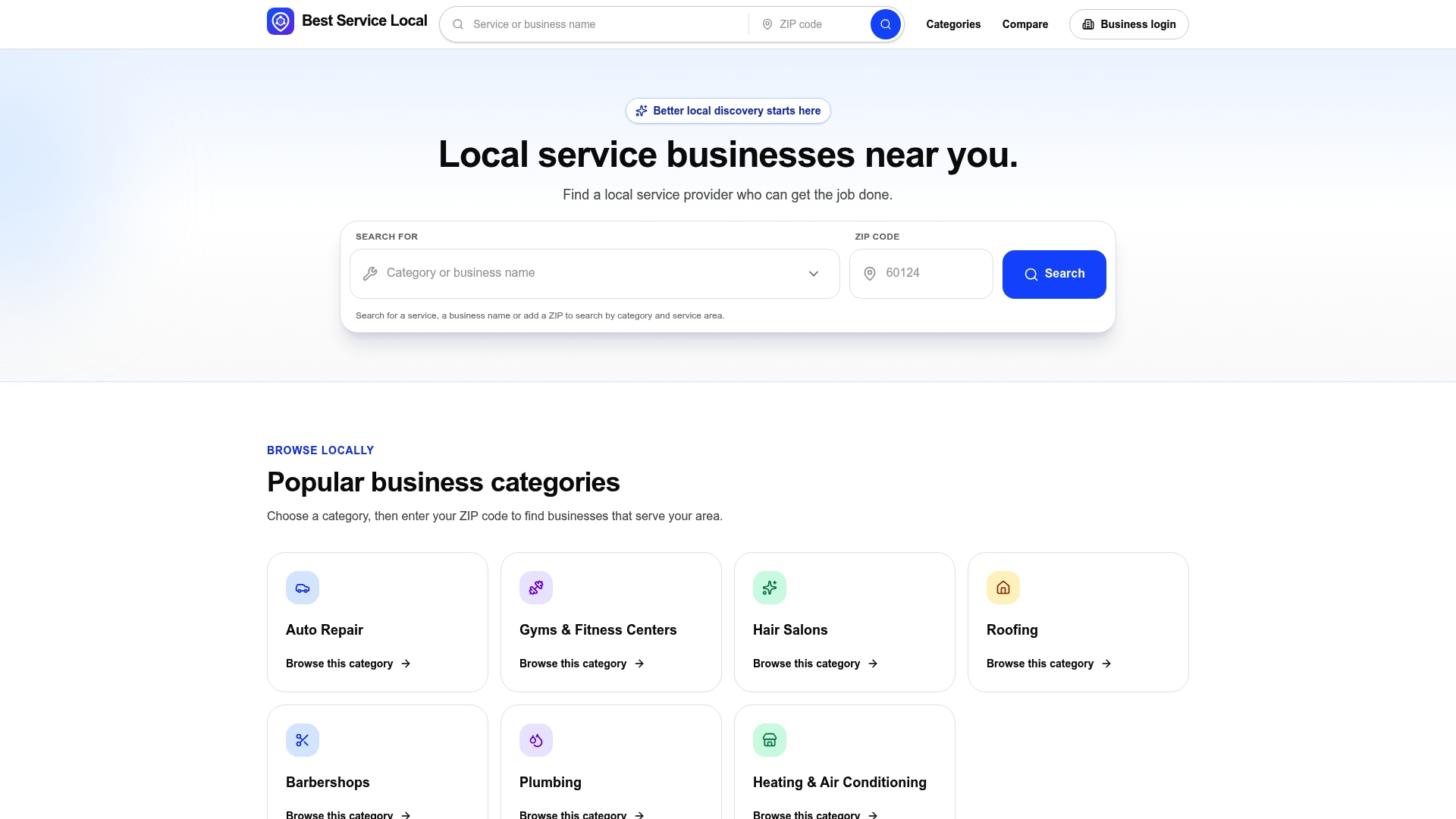
- Search pest control providers by ZIP code to find providers that service your area.
- Review business profiles to check services offered before reaching out.
- Request quotes from two or three local providers and compare scope and warranty terms, not just the bottom-line price.
Start your search on our Find Local Businesses by Service and ZIP Code page and line up a few local quotes before you decide.
FAQ
Is pest control safe for children?
Pest control can be safe for children when the provider uses the least toxic method that will work and follows label instructions, as recommended in the EPA’s citizen’s guide. Ask your provider about low-toxicity options and any waiting period before children or pets should re-enter treated areas.
Which smell do termites hate?
There’s no single scientifically confirmed scent that reliably repels termites on its own, and relying on home remedies instead of professional inspection can let an infestation spread undetected. Extension guidance recommends professional identification and monitoring, including bait station systems, as the dependable way to manage termite risk.
Where can I find affordable pest control in Las Vegas?
The most reliable way to find affordable, transparent pest control in any city, including Las Vegas, is to compare two or three local quotes side by side rather than searching for a single lowest price. You can search providers by ZIP code and compare verified profiles on Best Service Local to see coverage and services before requesting quotes.
Are pest control services worth it?
Professional pest control is often worth it once an infestation moves beyond an early-stage, isolated problem, since repeated DIY attempts rarely resolve an established colony and can cost more over time than a single targeted professional visit. Providers that use integrated pest management and offer written warranties tend to deliver better long-term value than one-off blanket spraying.
How long does it take to fully get rid of pests?
Timelines vary by pest and severity: a single wasp nest removal can be resolved in one visit, while bed bugs or termites often require multiple follow-up treatments over several weeks to months. Your provider’s quote should specify how many visits are included and what monitoring schedule follows the initial treatment.
Sources
- Selecting a Pest Control Company - Pests In The Home
- Citizen’s Guide to Pest Control and Pesticide Safety
- How Much Does Pest Control Cost? - This Old House
- How important is termite prevention? - Ask Extension