
What $1,200–$3,750 Buys Homeowners: Mold Remediation 2026, Compare Bids
What $1,200–$3,750 Buys Homeowners: Mold Remediation 2026, Compare Bids
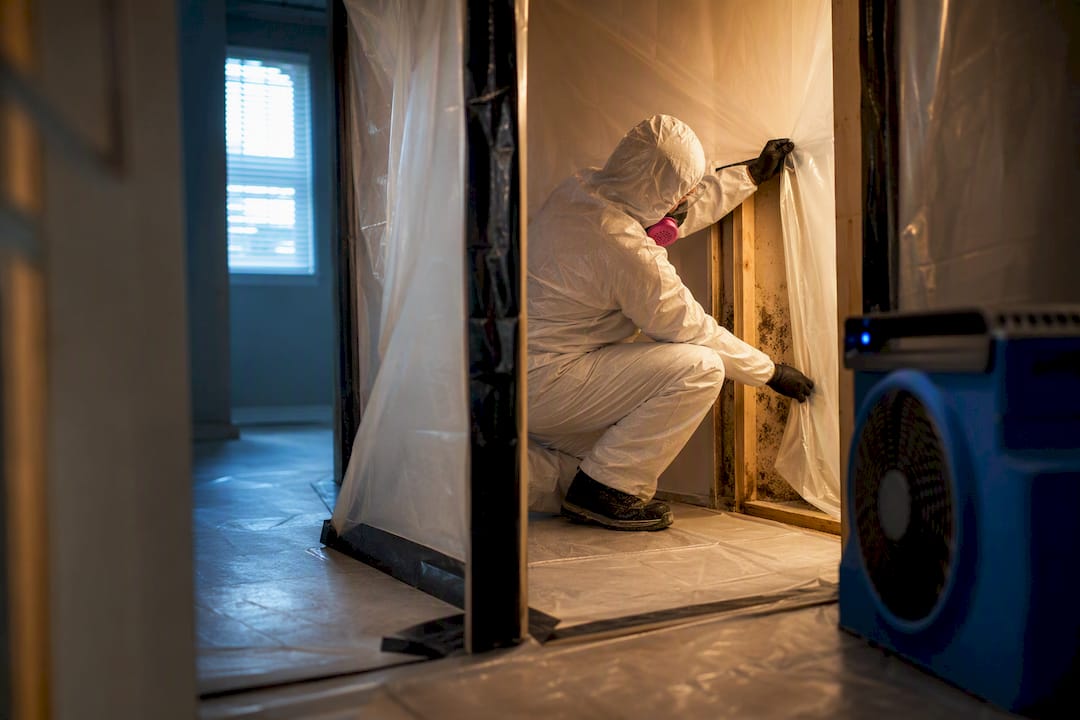
Most homeowners pay between $1,200 and $3,750 for professional mold remediation, with a national average around $2,300. Contractors typically price by the square foot, running $10 to $25 per square foot, with small jobs often hitting a flat minimum regardless of size. Your final number depends heavily on location in the home, how far the mold has spread, and whether repairs follow the cleanup.
TL;DR:
- Small mold jobs under 10 square feet typically cost between $500 and $1,500 due to fixed setup and minimum fees, often reaching a flat minimum.
- HVAC system mold remediation can range from $3,000 to $10,000, as duct cleaning involves full system shutdown and extensive containment procedures.
- Porous materials like drywall and insulation significantly increase costs, especially if mold penetrates deeply, raising cleaning or replacement expenses.
- Larger projects, such as whole-house remediation, generally cost between $5,000 and $30,000, requiring full containment, multiple technicians, and extended labor.
- Accurate quotes depend on detailed scope of work, certification, and transparent pricing, with lower bids potentially indicating shortcuts or insufficient removal.
Table of Contents
- How Much Does Mold Remediation Cost on Average?
- What Does Mold Remediation Cost by Room?
- How Does Project Size Affect the Price?
- What Drives Mold Remediation Costs Up or Down?
- What’s Included in a Professional Mold Remediation Job?
- Will Insurance Pay for Mold Remediation, or Should I DIY It?
- How Do I Get a Reliable Mold Remediation Quote?
- How Bestservicelocal Helps You Compare Remediation Pros
- Get Free Mold Remediation Estimates Near You
- Sources
How Much Does Mold Remediation Cost on Average?
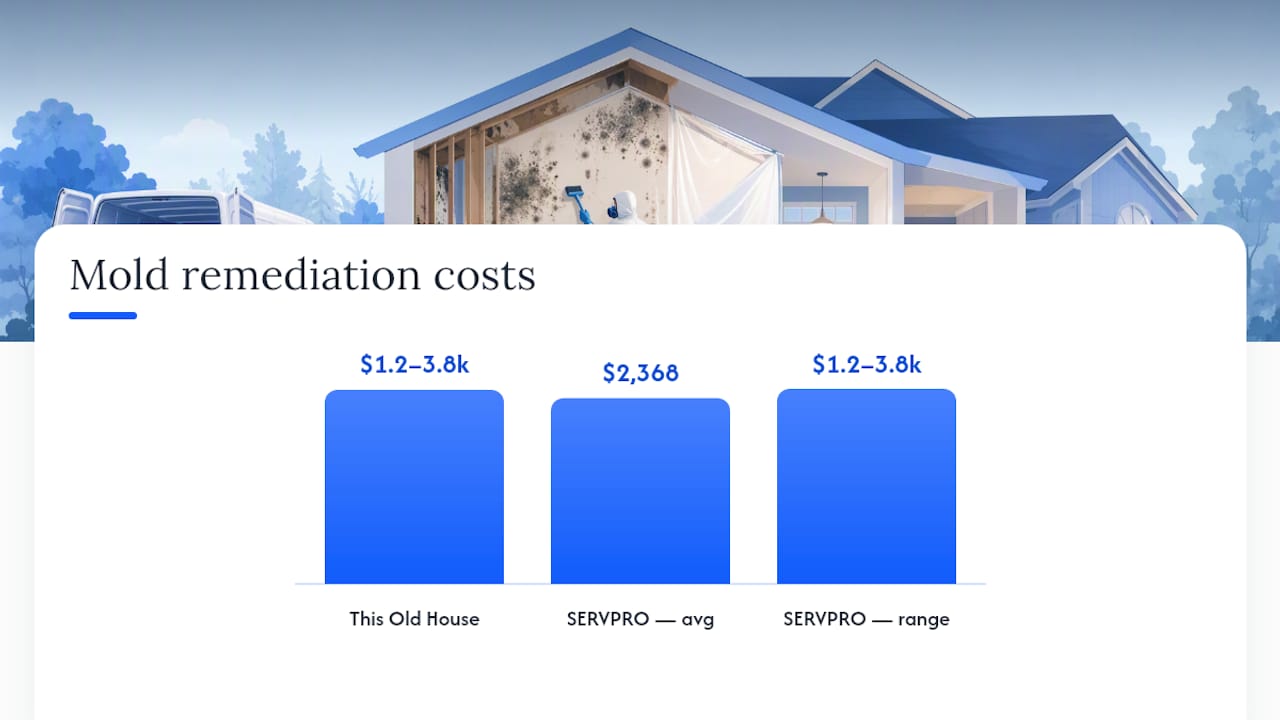
The two most cited figures come from This Old House, which puts the typical range at $1,200 to $3,750, and SERVPRO, which reports a national average near $2,368 with most homeowners spending between $1,223 and $3,753. Both land in roughly the same territory, which tells you these numbers aren’t outliers. They’re a reasonable baseline for a contained, single-area job.
Square footage pricing works differently than you’d expect. A tiny patch of mold often costs more per square foot than a large infestation, because contractors have fixed costs for setup, containment, and a minimum callout fee no matter how small the job is. A modeling tool from HomeCostCalc shows this scaling effect clearly, with some standard jobs pricing near $32 per square foot once equipment and labor minimums are factored in.
Here’s how that plays out across three job sizes:
- 50 square feet (small bathroom or closet): $500 to $1,250, often hitting a flat minimum fee close to $500
- 200 square feet (basement corner or bedroom wall): $2,000 to $5,000, depending on material penetration
- 1,000 square feet (whole floor or major water damage zone): $10,000 to $25,000, especially if drywall and insulation need replacement
The gap between the low and high end of each tier comes down to one thing: how deep the mold has gotten into porous materials like drywall, subfloor, and insulation.
What Does Mold Remediation Cost by Room?
Where the mold lives changes the price more than almost any other factor. Access, moisture source, and hidden damage behind walls all shift depending on the room.
- Attic: $1,000 to $4,000, driven up by roof leaks and insulation replacement
- Basement: $500 to $3,000, with humidity and foundation cracks as common culprits
- Bathroom: $500 to $1,000 for surface mold around tile and grout
- Crawl space: $500 to $2,000, complicated by tight access and standing moisture
- HVAC system: $3,000 to $10,000, because ductwork spreads spores through the entire house
- Whole-house contamination: $10,000 to $30,000, requiring full-scale containment and possibly temporary relocation
These location-based ranges reflect a pattern: rooms with poor access (crawl spaces, attics) or systems that circulate air (HVAC) cost more because contractors can’t just wipe down a surface and leave. HVAC and whole-house jobs sit at the top for a reason. Ductwork forces technicians to shut down the system, sometimes for days, and that downtime can push homeowners into temporary housing during the work. If your mold problem started behind a wall from a slow leak, budget extra. What looks like a small stain on drywall often hides soaked insulation and framing that needs to come out entirely, and that discovery rarely shows up in the initial estimate.
How Does Project Size Affect the Price?
Contractors generally group jobs into three size tiers, and each tier comes with a different containment strategy:
- Small jobs (under 10 square feet): Usually $500 to $1,500. Minimal containment, often a single technician, same-day work.
- Medium jobs (10 to 100 square feet): Typically $1,500 to $5,000. Requires plastic sheeting barriers, negative-air machines, and one to three days of labor.
- Large jobs (100+ square feet or whole-house): Ranges from $5,000 to $30,000 or more. Full HEPA filtration, multi-room containment, and crews working several days to over a week.
A mid-size job, say a 300-square-foot basement with mold climbing up drywall from a flood, typically lands around $4,500 to $7,500. That figure covers containment, removal, and disposal, but not necessarily drywall replacement or a dehumidification system if moisture control needs upgrading.
What Drives Mold Remediation Costs Up or Down?
Every line item on a remediation quote traces back to one of a handful of variables. Knowing them helps you read an estimate instead of just trusting the bottom-line number.
- Extent of contamination: Surface mold on tile costs far less to treat than mold that’s penetrated drywall, wood framing, or insulation.
- Access difficulty: Crawl spaces, attics, and behind-wall cavities take longer and require more labor per square foot.
- Material type: Porous materials (drywall, carpet, insulation) usually get removed and replaced rather than cleaned, adding disposal and reconstruction costs.
- HVAC involvement: Ductwork cleaning or replacement adds thousands because of the risk of spore recirculation.
- Labor and equipment: HEPA filtration and negative-pressure containment setups often account for more than half the total job cost.
- Regional labor rates: Contractor pricing swings by market, with metro areas typically running higher than rural regions.
Pro Tip: Ask your contractor to break out labor, equipment, and disposal as separate line items on the quote. A vague lump sum makes it nearly impossible to tell whether you’re paying for necessary containment or just padded labor hours.
What’s Included in a Professional Mold Remediation Job?
A legitimate remediation company follows a fairly standard sequence: inspection, containment, physical removal of contaminated material, HEPA air filtration during the work, final cleaning, and proper disposal of anything removed. That core scope is usually what’s baked into the base price you’re quoted.
What often gets priced separately:
- Mold testing and air sampling before or after the job, sometimes $200 to $600 extra
- Reconstruction, including drywall, flooring, or cabinetry replacement
- HVAC cleaning or duct replacement if the system was contaminated
- Post-remediation clearance testing, confirming spore counts are back to normal
Clearance testing isn’t always required, but it’s worth the added cost on any job involving HVAC systems, extensive drywall removal, or a home sale where you need documented proof the problem is resolved.
Will Insurance Pay for Mold Remediation, or Should I DIY It?
Insurance coverage for mold hinges on cause, not severity. Policies typically cover mold that results from a sudden, covered peril, like a burst pipe or storm-related flooding, but they routinely deny claims tied to long-term leaks or poor maintenance. Photograph the damage immediately, keep receipts for any emergency mitigation, and report the issue to your insurer as soon as you spot it. Delayed reporting is one of the most common reasons claims get denied.
Small, surface-level mold on non-porous materials, think a patch on bathroom tile smaller than 10 square feet, is reasonable to handle yourself with gloves, a respirator mask, and a mold-specific cleaner. Anything larger, anything on porous material, or anything connected to HVAC ductwork needs a professional.
If the full remediation bill isn’t feasible right now, a few paths can help:
- Phased remediation: address the worst-affected area first, then tackle secondary spots over time
- Temporary containment: seal off the affected room to stop spore spread while you save for full treatment
- Community or nonprofit assistance programs: some local housing agencies offer emergency repair grants for health hazards
- Financing through the contractor or a personal loan: many remediation companies offer payment plans for larger jobs
Given that the national average sits near $2,300, even a partial payment plan can make a necessary job possible without draining savings.
How Do I Get a Reliable Mold Remediation Quote?
A trustworthy quote spells out the scope of work in writing, not just a total dollar figure. Compare estimates using this checklist:
- Confirm licensing and certification. Ask specifically what mold remediation certification the technician holds and whether they carry liability insurance.
- Request a written scope of work. It should list the containment plan, materials slated for removal, and whether clearance testing is included.
- Ask about timeline and relocation. Larger jobs, especially HVAC or whole-house work, may require you to leave the property for several days.
- Check references. A company with a real track record will have addresses or reviews you can verify, not just a testimonial page.
- Get the disposal process in writing. Contaminated material needs to be bagged and hauled to approved disposal sites, not just tossed in a regular dumpster.
Pro Tip: Treat a bid that’s dramatically lower than every other quote as a warning sign, not a bargain. Underbidding usually means shortcuts on containment or disposal, which can leave spores behind the drywall you just paid to patch.
If your mold problem traces back to a leaking roof, it’s worth reading up on roof replacement costs before signing off on remediation alone, since fixing the water source matters as much as removing the mold. And if reconstruction involves swapping out doors or trim contaminated during the job, low-dust replacement methods can limit how much additional contamination spreads during repairs.
How Bestservicelocal Helps You Compare Remediation Pros
Getting three quotes for the same job used to mean three separate phone calls and three different formats to compare. Bestservicelocal fixes that by letting you search by service type and ZIP code, then pulling up verified business profiles you can stack side by side. That transparency matters most in a field like mold remediation, where scope and pricing vary so much from one contractor to the next. Instead of guessing whether a bid is thorough or just cheap, you can compare what each provider actually includes before you commit.
— Service
Get Free Mold Remediation Estimates Near You
The platform offers a faster route to trustworthy remediation quotes, skipping the cold-calling and guesswork that usually comes with hiring a contractor sight unseen. Search by ZIP code, pull up verified local provider profiles, and compare their scope of work side by side before you ever pick up the phone.

The platform’s verified business profiles show real service details rather than vague marketing copy, so you can see what’s actually included before requesting an estimate. Whether you’re dealing with a small bathroom patch or a whole-house HVAC contamination issue, the same search and compare process applies. Head to Bestservicelocal now, enter your ZIP code, and start requesting estimates from remediation professionals who actually service your area.
Sources
- How Much Does Mold Remediation Cost? (This Old House)
- How Much Does Mold Remediation Cost? (SERVPRO)
- Mold Remediation Cost Calculator (HomeCostCalc)