
$3,000–$52,000 Ballpark: Fire Damage Restoration Costs for Homeowners
$3,000–$52,000 Ballpark: Fire Damage Restoration Costs for Homeowners
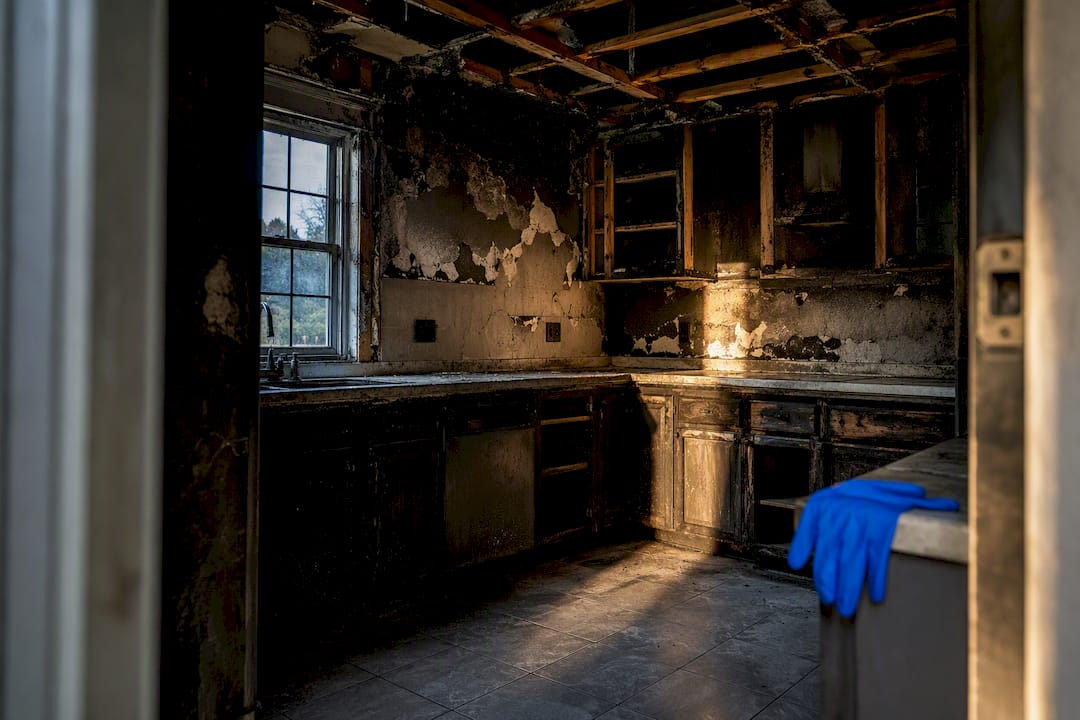
Fire damage restoration costs average in the high twenty-thousands nationally, but most homeowners actually pay somewhere between $3,000 and $52,000 depending on severity. Smoke-only jobs can cost relatively little, while structural rebuilds after major fires can become very expensive. Per-square-foot rates typically fall between $3.50 and $7 for cleanup alone, with insurance usually covering the bulk of the bill once a claim is approved.
TL;DR:
- Fire damage restoration costs range from $1,200 to $72,300, depending on severity, scope, and whether the job involves cleanup or reconstruction.
- Per-square-foot cleanup typically costs $3.50 to $7, with complex jobs exceeding $10 to $15, and costs scale with affected area size.
- Smoke damage costs vary by residue type, with dry smoke being cheaper to remove and fuel-oil smoke being the most expensive.
- Structural and water damage significantly increase total costs, especially when load-bearing elements need replacement, raising prices into hundreds of dollars per square foot.
- Proper estimates should itemize each phase, include potential hidden costs like mold or structural damage, and update based on the specific damage and materials involved.
Table of Contents
- How Much Does Fire Damage Restoration Cost on Average?
- How Does the Type of Damage Change the Price?
- How Much Does Restoration Cost by Home Size?
- What Are the Phases of Fire Restoration and Their Costs?
- What Drives the Cost Up or Down?
- How Do I Estimate My Own Restoration Cost?
- How Long Does Restoration Take and How Does Insurance Pay for It?
- What Deductible and Out-of-Pocket Costs Should You Expect?
- Are There Financial Assistance Options If Insurance Falls Short?
- What Hidden Costs Do Fire Restoration Quotes Often Miss?
- What I’d Tell a Friend Facing This Right Now
- Get Verified Quotes for Your Fire Restoration Project
- Sources
How Much Does Fire Damage Restoration Cost on Average?
Published averages for fire damage restoration cost vary more than almost any other home service category, and there’s a reason for that. Angi puts the national average in the high twenty-thousands, with a typical range from $3,000 to $52,000. Forbes reports a lower midpoint figure, closer to $12,900 on average, with actual jobs landing anywhere from $1,200 for minor smoke cleanup to $72,300 when reconstruction gets involved.
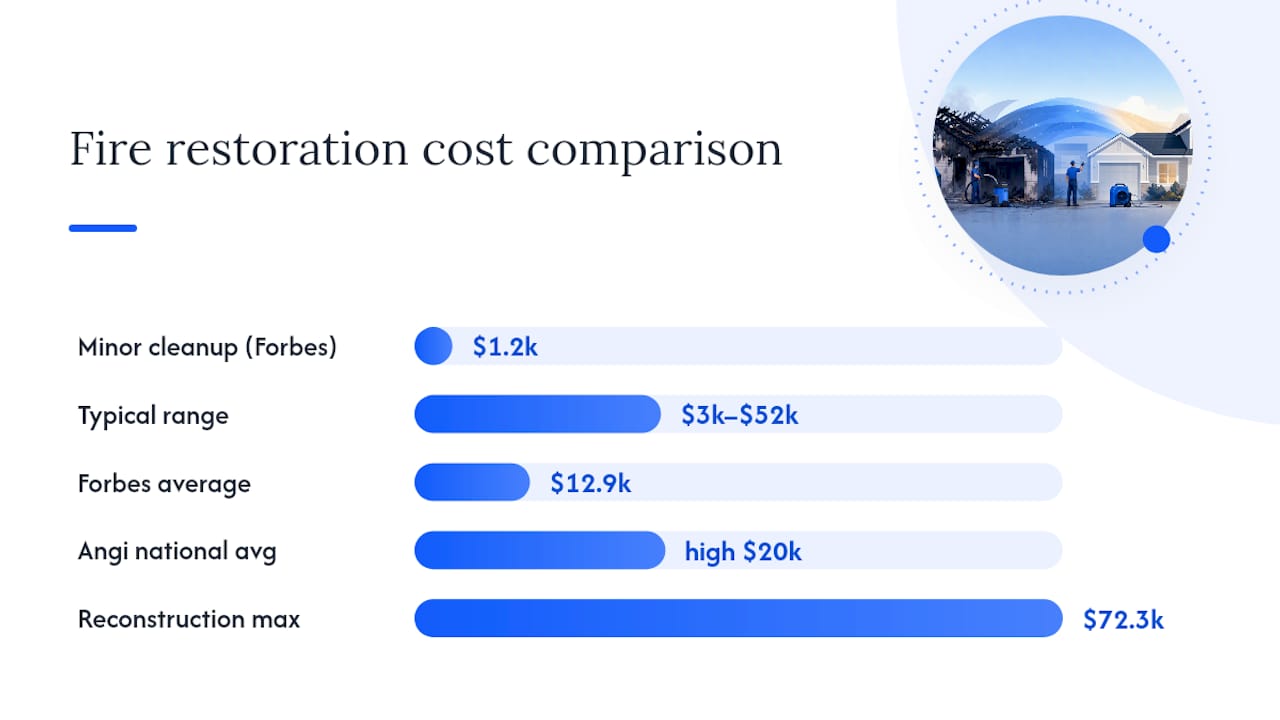
That gap between $12,900 and the high-twenty-thousands isn’t a contradiction. It reflects what each source is actually measuring. A national average blends kitchen-fire cleanups that take two days with total-loss rebuilds that take six months, so the number you see quoted depends heavily on which jobs got included in the sample.
Here’s the distinction that actually matters when you’re budgeting: cleanup-only versus reconstruction.
- Cleanup-only covers smoke removal, soot cleaning, odor treatment, and minor drywall or paint touch-ups. These jobs often finish for a few thousand dollars.
- Reconstruction kicks in once framing, roof trusses, or load-bearing walls need rebuilding. Costs here scale by square footage of structural work, not by the size of the fire.
- Hybrid jobs (most fires) mix both: cleanup throughout the home plus reconstruction in the room of origin.
Statistic Callout: Small smoke remediation jobs can cost as little as $200 to $1,000, while larger cleanups often run $3,000 to $26,000. Structural rebuilds push well past that range.
The per-square-foot rule of thumb works better than the flat average for most homeowners. Modernize’s pricing data puts standard cleanup at roughly $3.50 to $7 per square foot, with complex jobs involving heavy soot or water damage climbing to $10 to $15 or more. Multiply that rate by your affected square footage, not your whole home, and you’ll land closer to a realistic number than any headline average can get you.
How Does the Type of Damage Change the Price?
Not all fire damage costs the same, even at identical square footage. The type of residue left behind determines the cleaning method, and the cleaning method determines the bill.
Smoke-only damage is the cheapest category. If flames never spread past the point of origin, you’re mainly paying for odor removal and surface cleaning. Small smoke jobs run $200 to $1,000, while whole-house smoke infiltration can reach $3,000 to $26,000.
Soot chemistry drives most of the cost variation within smoke jobs. Dry smoke, usually from fast, hot fires, wipes away with less chemical intervention and often prices toward $1.25 to $2.75 per square foot. Wet smoke from slow, smoldering fires smears into surfaces and needs more aggressive scrubbing. Protein residue, common in kitchen fires, leaves an almost invisible film that discolors paint and varnish and requires specialized degreasers. Fuel-oil smoke, tied to furnace malfunctions, is the hardest and most expensive to fully neutralize.
- Dry smoke: lower cost, faster turnaround, surface wiping and HEPA vacuuming.
- Wet smoke: moderate cost, needs solvent-based cleaners on porous surfaces.
- Protein smoke: higher cost, often requires sealing and repainting even after cleaning.
- Fuel-oil smoke: highest cost among smoke types, frequently needs full pack-out.
Soot removal on its own, separate from general smoke odor, typically triggers HVAC and duct cleaning once particulate has circulated through the system. Skipping duct cleaning and going straight to deodorizing is a common shortcut that backfires. Chemical fogging without physically removing soot from ductwork just recontaminates the air once the system runs again.
Water damage from firefighting adds a cost line most homeowners don’t anticipate. Fire hoses put hundreds or thousands of gallons into a structure, and that water has to come out fast to prevent mold. Extraction and structural drying, often with industrial dehumidifiers running for several days, becomes its own line item that has nothing to do with the fire itself.
Structural damage is the cost multiplier. Once framing, subfloors, or roof trusses require replacement, the job shifts from remediation to construction, and per-square-foot costs can climb into the hundreds for the affected structural area. A single burned support beam can turn a $5,000 cleanup into a $40,000 project.
How Much Does Restoration Cost by Home Size?
Square footage is the most useful variable you have for estimating your own project, but it only works if you apply the right rate band to the right scope. Here’s how the math actually plays out:
- Cleanup-only jobs run $3.50 to $7 per square foot, per Modernize and corroborating data from HomeGuide. A 1,200 square foot home with smoke and light soot damage throughout lands between $4,200 and $8,400.
- Standard restoration with moderate soot, some water extraction, and partial repainting typically runs $8 to $12 per square foot. A 2,000 square foot home in this category costs $16,000 to $24,000.
- Complex jobs involving structural drying, duct replacement, and partial reconstruction can hit $15 to $25 per square foot or higher. A 2,600 square foot home with fire damage confined to one wing but water damage throughout could reach $39,000 to $65,000.
Those figures assume mid-range finishes and single-story simplicity. Two adjustments push the effective rate higher. Multi-story homes also cost more per square foot than ranch layouts because smoke rises, meaning upper floors often need full remediation even when the fire started downstairs.
What Are the Phases of Fire Restoration and Their Costs?
A written estimate should read like a project timeline, not a lump sum. Each phase has its own price range, and knowing them helps you catch a quote that’s missing steps or padding one line unreasonably.
- Emergency board-up and tarping: $150 to $500, usually billed within 24 hours to secure the property as outlined by ACT Cleaning by Demand’s professional restoration workflows.
- Water extraction and structural drying: $500 to $4,000 depending on how much firefighting water needs removal, often billed separately from smoke cleanup because it’s time-sensitive.
- Contents pack-out and off-site cleaning: $1,000 to $8,000+ for furniture, textiles, and belongings moved to a cleaning facility while work continues at the home.
- Soot removal and deodorizing: $500 to $6,000, using HEPA vacuuming, thermal fogging, or ozone treatment depending on soot type.
- Duct cleaning: $300 to $1,500, and it should happen before deodorizing the living space to avoid recontamination.
- Sealing, priming, and repaint: $1 to $3 per square foot for affected walls and ceilings.
- Reconstruction and permits: varies enormously, but framing repair alone can run $100 to $300 per square foot, plus separate permit fees set by your local building department.
Pro Tip: Ask your contractor to separate emergency stabilization from the rest of the scope on paper. Homeowners frequently mistake that first invoice, often just a few hundred dollars for board-up work, for the total project cost, then get blindsided when the real bill arrives weeks later.
What Drives the Cost Up or Down?
Two homeowners with fires in similarly sized houses can get quotes $30,000 apart, and it’s rarely because one contractor is overcharging. Several variables compound on each other.
- Severity and structural involvement: a fire that stayed contained to one room costs a fraction of one that reached the attic or crawlspace.
- Soot chemistry and porous materials: protein and fuel-oil residues on carpet, upholstery, or unfinished wood require more labor and often full replacement rather than cleaning.
- Home finishes and built-in systems: custom HVAC, built-in cabinetry, and specialty flooring all raise materials cost when they need matching or replacement.
- Local labor rates and emergency timing: restoration crews that respond within hours of a fire, which they should, often charge a premium for after-hours dispatch.
- Secondary damage risk: mold growth from firefighting water can add thousands if extraction is delayed even a day or two, and inspectors sometimes find rot or wiring damage mid-project that expands the scope.
Regional labor costs alone can shift a quote by 10 to 25% between markets, which explains why the same square footage prices differently in a major metro versus a rural county.
How Do I Estimate My Own Restoration Cost?
You don’t need a contractor’s software to get a workable ballpark before quotes come in. Use this formula:
- Measure the affected square footage, not your whole home’s square footage, unless smoke reached every room.
- Multiply by the appropriate per-square-foot rate: $3.50 to $7 for cleanup-only, $8 to $12 for standard restoration, $15 to $25 for complex jobs.
- Add phase-specific costs that don’t scale by square footage: board-up, pack-out, duct cleaning.
- Add a reconstruction allowance if framing, flooring subfloor, or roofing is compromised, since that portion prices separately and much higher.
When comparing written estimates, ask for an itemized breakdown by phase, confirm whether pack-out and storage are included, and get the soot type identified in writing since it determines the cleaning method.
Pro Tip: Photograph every room before any cleanup starts, keep a running contents inventory with approximate replacement values, and save every receipt for temporary housing or replaced items. Insurance adjusters move faster with documentation than with a verbal description of what burned.
How Long Does Restoration Take and How Does Insurance Pay for It?
Timelines depend almost entirely on scope. Smoke-only jobs often wrap in three to seven days. Moderate damage with water extraction and partial reconstruction typically takes two to six weeks. Full structural rebuilds can run three to nine months, sometimes longer if permits or material shortages delay framing.
- Emergency stabilization gets billed and paid first, often before your insurer has even assigned an adjuster, because board-up and water removal can’t wait for approval.
- Insurer approval for the remaining scope can pause work for days if the adjuster hasn’t inspected yet.
- Many restoration companies bill insurers directly once a claim is approved, which reduces your out-of-pocket burden but adds a step where miscommunication can stall payment.
Statistic Callout: Overall cleanup costs commonly land in the $3,000 to $26,000 range for moderate jobs, a useful benchmark when you’re negotiating timeline expectations with both your contractor and adjuster.
Call your insurer within 24 hours, request an emergency mitigation authorization, and keep your restoration contractor’s estimate separate from any general contractor bids for reconstruction. Mixing the two on one invoice is a common source of approval delays.
What Deductible and Out-of-Pocket Costs Should You Expect?
Your homeowner’s insurance policy almost always covers fire damage, but your deductible determines what comes out of your own pocket first.
Beyond the deductible, out-of-pocket exposure usually comes from three places. First, any scope your policy excludes, some policies cap contents replacement value below actual replacement cost, leaving a gap you cover directly. Second, upgrades beyond “like kind and quality” repair. If you want better materials than what burned, you pay the difference. Third, living expenses beyond your policy’s Additional Living Expense (ALE) limit, since most policies cap temporary housing reimbursement at a dollar amount or a time limit, commonly 12 to 24 months.
Ask your adjuster specifically whether your policy pays actual cash value or replacement cost value for contents, since that single distinction can mean thousands of dollars difference on furniture, electronics, and clothing lost to smoke or fire. Get the deductible amount and ALE limit in writing before restoration work begins, so you know your exposure before the first invoice arrives.
Are There Financial Assistance Options If Insurance Falls Short?
When insurance coverage doesn’t fully close the gap, or when a household is underinsured or uninsured, a handful of assistance paths exist. The Federal Emergency Management Agency (FEMA) offers Individual Assistance grants after a fire is part of a federally declared disaster, though a single-family house fire rarely qualifies unless it’s part of a broader wildfire or disaster event.
The American Red Cross frequently provides emergency financial assistance for immediate needs, clothing, temporary lodging, food, after a home fire, regardless of disaster declaration status. Local fire departments and Red Cross chapters typically coordinate this within days of an incident.
Nonprofit organizations focused on disaster recovery, along with some United Way chapters, offer smaller grants or interest-free loans for rebuilding costs. Some states and municipalities run low-interest home repair loan programs through housing authorities, though eligibility usually depends on income level and primary-residence status.
Contractors that accept payment plans or work directly with insurers on deferred billing can also ease cash-flow pressure while a claim processes. Ask your restoration company directly whether they offer any financing arrangement tied to your insurance timeline before assuming you need to pay the full amount upfront.
What Hidden Costs Do Fire Restoration Quotes Often Miss?
The line items on a written estimate rarely tell the whole story. Several costs show up mid-project or after the invoice you expected to be final.
Mold remediation is the most common surprise. Firefighting water that sits for even 48 hours can trigger mold growth behind drywall, and that discovery often happens after the initial estimate, adding a separate remediation cost that insurance may or may not fully cover depending on cause-of-loss language in your policy.
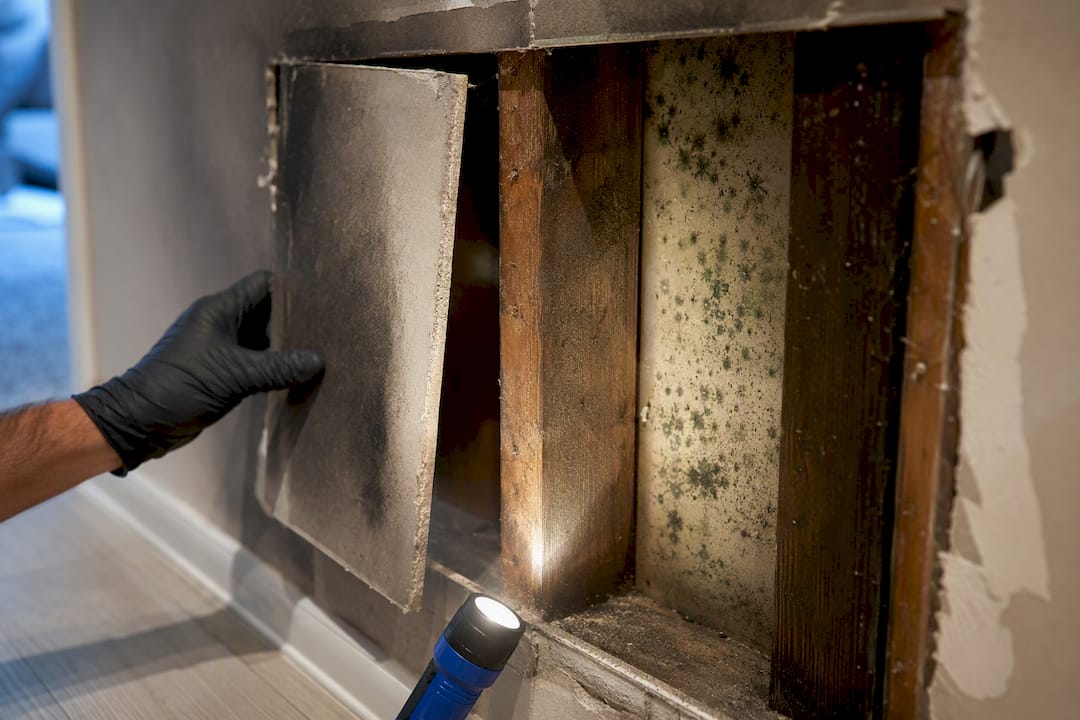
Hidden structural damage frequently emerges once demolition starts. A contractor quotes based on visible damage, then finds charred framing or compromised electrical wiring once drywall comes down, which expands scope mid-project.
Storage fees for pack-out items add up faster than homeowners expect, particularly on jobs that stretch past a few weeks. Additional living expenses beyond what insurance covers, pet boarding, extra mileage, meals eaten out, rarely make it onto a restoration quote but affect your actual budget.
Code-upgrade requirements can also surprise homeowners. If your home predates current building codes, permits for reconstruction may require electrical or structural upgrades beyond simply restoring what burned, and that difference typically isn’t covered by insurance.
What I’d Tell a Friend Facing This Right Now
The biggest mistake I see homeowners make isn’t overpaying. It’s signing a vague scope of work because they’re overwhelmed and just want someone to start. Insist on an itemized, written estimate before any contractor beyond emergency board-up begins work. Document everything, photos, room by room, before cleanup touches anything, and keep every receipt.
Get at least two written bids, even under pressure. And remember that first invoice for stabilization is a deposit on the project, not the total.
— Service
Get Verified Quotes for Your Fire Restoration Project
Comparing restoration contractors while your home is unlivable is exhausting, and generic online searches turn up companies with no way to verify licensing or insurance before you hand over a deposit. Bestservicelocal solves that gap by letting you search restoration providers by ZIP code and see verified business profiles side by side before you ever pick up the phone.

Enter your ZIP code, pull up local restoration contractors with verified licensing and insurance details, and request quotes from several at once instead of calling around one by one. If your damage extends into structural repair, Bestservicelocal’s roofing and exterior listings cover that overlap too. Always confirm active insurance coverage and ask for references before signing anything. Start your search on Bestservicelocal and get comparable quotes without the runaround.
Sources
- Fire Damage Restoration Cost: Forbes Home
- Smoke damage clean-up and restoration costs - AMFAM
- Smoke Damage Cleanup Cost in Michigan (Prime Restoration)