
Electrical Panel Upgrade Cost: What to Budget in 2026
Electrical Panel Upgrade Cost: What to Budget in 2026
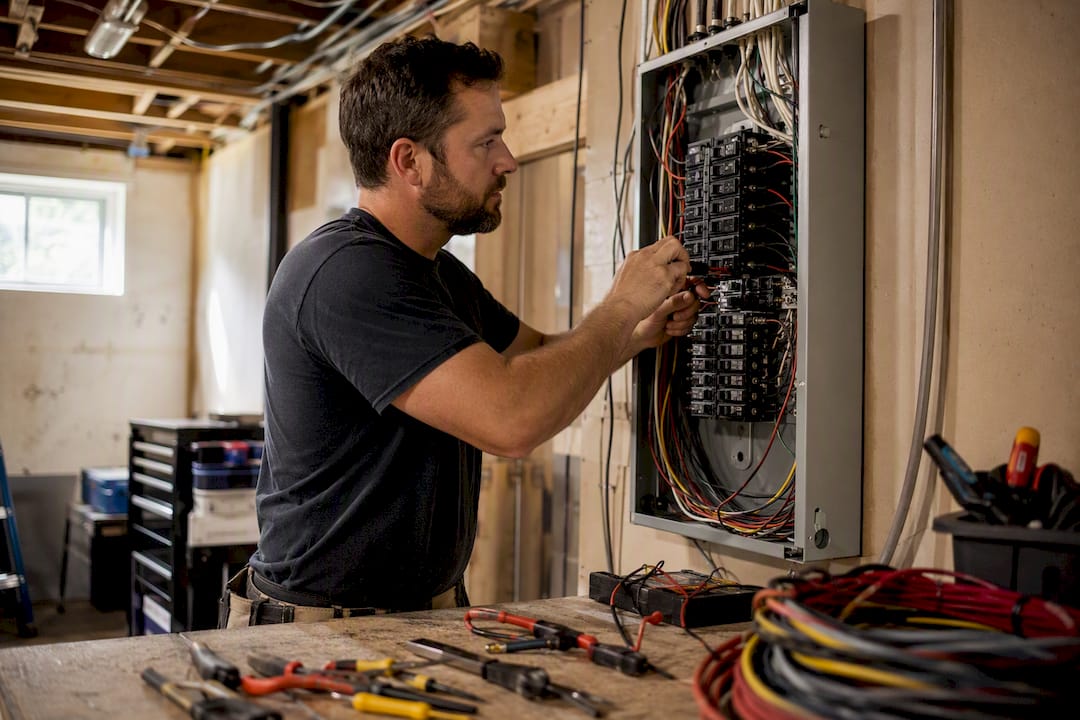
Most homeowners pay $1,800 to $3,500 for the single most common job, swapping a maxed-out 100-amp panel for a 200-amp service. Simple like-for-like swaps can cost much less, while a full service upgrade with underground conductors or a panel relocation can be significantly more expensive. Labor, utility coordination, and permit fees drive most of that spread, not the panel itself.
TL;DR:
- The typical cost for a 100A to 200A upgrade ranges from $1,800 to $3,500, with labor, permits, and utility coordination making up most of this figure.
- Costs increase significantly if underground wiring, panel relocation, or full utility service upgrades are required, potentially exceeding $6,000.
- Factors like access difficulty, existing wiring condition, and regional permit fees can cause large variations in the final price.
- The upgrade process generally takes one day for installation, but total time from planning to inspection spans one to three weeks depending on utility scheduling.
- Homeowners can save money by bundling upgrades with remodeling, exploring rebates, and choosing alternative solutions like smart or subpanels.
Table of Contents
- How Much Does an Electrical Panel Upgrade Cost by Project Type?
- What Does a Panel Upgrade Quote Actually Break Down Into?
- What Factors Push Panel Upgrade Costs Higher or Lower?
- How Long Does a Panel Upgrade Take, and What Permits Are Required?
- How Can You Lower the Cost of an Electrical Panel Upgrade?
- When Do You Actually Need to Upgrade Your Panel?
- How Do You Find and Vet a Licensed Electrician Locally?
- What Homeowners Get Wrong About Budgeting This Job
- Ready to Get Quotes From Local Electricians?
- Sources
How Much Does an Electrical Panel Upgrade Cost by Project Type?
The price tag depends almost entirely on how much of the electrical service you’re touching, not just the box on the wall. A straightforward panel swap that keeps the same amperage looks nothing like a service upgrade that requires the utility to run new lines to your house.
| Project type | Typical cost range | What’s included |
|---|---|---|
| Like-for-like panel replacement | Moderate cost range | New panel, breakers, labor, permit |
| 100A → 200A upgrade | $1,800–$3,500 | Panel, main breaker, service conductors, meter base, ground rods, permit, utility reconnect |
| 200A → 400A or full service upgrade | $3,500–$6,000+ | Heavier conductors, larger meter socket, possible mast/transformer work |
| Subpanel addition | Moderate cost range | New subpanel, feeder wiring, labor |
| Panel relocation | Moderate to higher cost range | Rewiring, new mounting, patching, permit |
| Underground service upgrade | Highest cost range | Trenching, conduit, conductors, utility coordination |
These bands line up with what Myenergy and HomeCostLab report nationally, with the common breaker-box replacement landing around $2,000 to $2,800. Your actual quote will sit somewhere in these ranges based on how many circuits need to move and whether your home’s existing wiring meets current code.
What Does a Panel Upgrade Quote Actually Break Down Into?
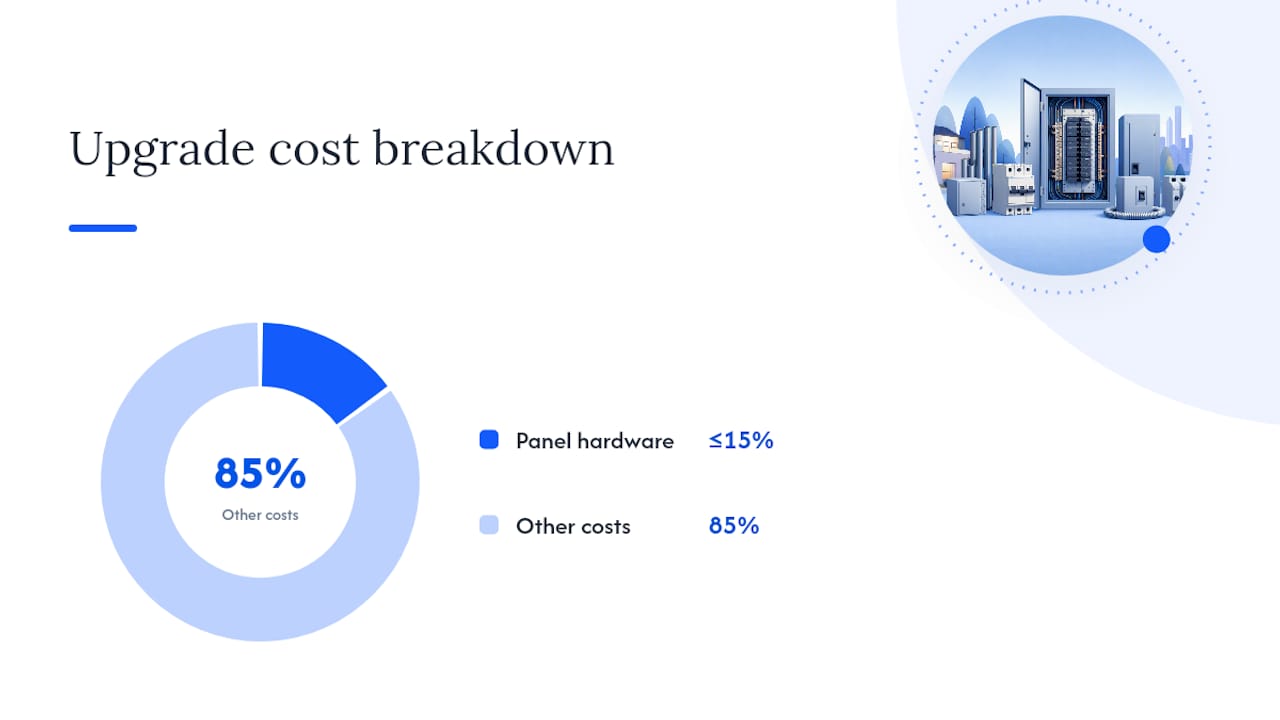
Panel hardware itself is the cheapest line on the invoice. A residential 200-amp panel costs a few hundred dollars at retail. Everything else on your bill, permit fees, electrician labor, and utility coordination, is what actually determines your final price.
A realistic 100A→200A job breaks down roughly like this:
- New 200-amp panel and main breaker: $200–$450
- Service conductors, meter base, and grounding rods: $300–$600
- Electrician labor (typically 6-10 hours): $800–$1,800
- Permit and inspection fee: $50–$300
- Utility disconnect/reconnect coordination: often bundled but can add scheduling delay
Add it up and you land squarely in the $1,800–$3,500 range that PermitDeck documents for a standard service upgrade. A full service-side upgrade, where the utility has to swap the transformer or run new overhead or underground lines, multiplies that labor and coordination cost fast, sometimes doubling the total even though the panel itself hasn’t changed.
Statistic callout: The panel hardware itself typically makes up less than 15% of a full upgrade’s total cost. Labor, permits, and utility coordination eat the rest, a detail electricians rarely spell out on a phone quote but one that explains why two “panel upgrade” estimates can differ by thousands of dollars.
What Factors Push Panel Upgrade Costs Higher or Lower?
Two homes with identical 200-amp panels can get wildly different bills. The panel is standardized. Everything around it isn’t.
- Access and location. A panel in a finished basement or behind drywall costs more to reach than one in an open garage.
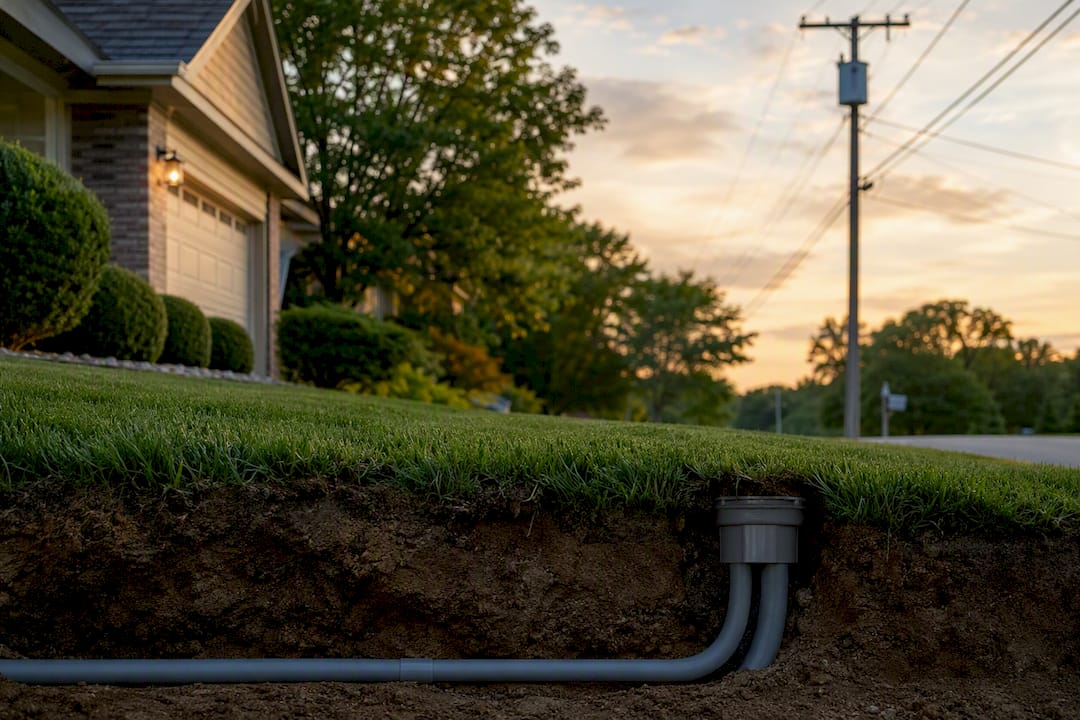
- Underground vs. overhead service. Underground conductors mean trenching, conduit, and often a longer utility lead time.
- Number of circuits and rewiring needs. Older homes with knob-and-tube or aluminum wiring may need more than a panel swap to pass inspection.
- Meter and mast condition. A corroded meter base or a mast that no longer meets clearance code adds parts and labor.
- Panel relocation. Moving the panel to a new wall means new conduit runs and drywall patching.
- Grounding upgrades. Older systems often lack adequate grounding rods, which inspectors flag under NFPA 70/NEC requirements.
Regional labor rates and permit fees also swing the total. A permit that costs $75 in one county can run $300 in another, and some utilities require a transformer upgrade before they’ll approve a larger service, which adds weeks and cost you don’t control.
Pro Tip: Ask your electrician to specify in writing whether your quote assumes overhead or underground service. That single detail explains more price variance than almost anything else on the estimate.
How Long Does a Panel Upgrade Take, and What Permits Are Required?
The actual panel swap usually takes one working day, with your power off for two to six hours during the changeover. The full process from permit application to final inspection is longer.
- Get quotes and pull a permit. Most jurisdictions require a permit for panel work; expect $50–$300, per HomeCostLab’s pricing data.
- Schedule utility coordination. Your utility needs to disconnect service before work starts and reconnect it after, which can add days depending on their scheduling backlog.
- Installation day. The electrician swaps the panel, runs new conductors if needed, and restores power same day in most cases.
- Inspection. A local inspector signs off on the work, typically within a few days to two weeks after installation.
Plan for one to three weeks total between hiring and final sign-off, longer if your utility needs to upgrade a transformer or line first.
How Can You Lower the Cost of an Electrical Panel Upgrade?
You have more control over this bill than most homeowners realize.
- Coordinate with remodeling work. If you’re already opening walls for a kitchen renovation, bundling in panel or wiring work saves on labor since the electrician isn’t opening new access points from scratch, a point Myenergy backs up directly.
- Consider a smart panel or subpanel instead. Smart panels run $2,000–$5,000 but can sometimes avoid a full utility-side service upgrade entirely, cutting weeks off your timeline.
- Check rebate and incentive programs. Search databases like DSIRE and the ENERGY STAR rebate finder for state or utility incentives tied to electrification upgrades.
- Ask about financing. Many electrical contractors offer installment plans, and some utilities offer low-interest loans for panel work tied to electrification goals.
- If you’re already tearing out drywall or flooring for another project, plan your dumpster rental around both jobs. A coordinated renovation waste plan keeps disposal costs from stacking up twice.
When Do You Actually Need to Upgrade Your Panel?
Not every home needs a bigger panel just because it’s old. Some can electrify appliances or add an EV charger on their current service if demand stays modest, according to guidance from Rewiring America. Homes still running under 100 amps are the most likely candidates for a genuine need.
Watch for these signs:
- Breakers trip repeatedly under normal use, not just during storms.
- Your panel carries an obsolete brand name (Federal Pacific, Zinsco) with known safety recalls.
- You’re adding an EV charger, heat pump, or induction range that pushes past your panel’s rated capacity.
- A home inspection or insurance review flags panel age or condition ahead of a sale.
If you’re selling soon, an outdated panel can stall a deal at inspection. Ask any contractor to explain, in plain terms, exactly why your current setup can’t handle the new load before you approve the job.
How Do You Find and Vet a Licensed Electrician Locally?
Ask for a license number, proof of insurance, and recent permit history before signing anything. Compare at least three written quotes that spell out labor, permit fees, and utility coordination separately. Local AI Page lists verified electrician profiles by ZIP code with service areas and direct contact info, so you can compare real options fast.
What Homeowners Get Wrong About Budgeting This Job
Most people budget for the panel and forget the paperwork. Build in a 20% contingency and collect three written quotes before you commit. Hardware is cheap. Labor, permits, and utility coordination are where the real money goes, so get every permit commitment in writing before work starts.
— Local AI Page
Ready to Get Quotes From Local Electricians?
Local AI Page gives you a faster route to written estimates than cold-calling contractors off a search results page. Search by ZIP code and you’ll find verified electrician profiles with service areas, FAQs, and direct contact details, so you can line up three quotes without spending a week on the phone.

Before you hire anyone, confirm they’ll pull the permit themselves and put the utility coordination timeline in writing. Then head to Local AI Page to search electricians in your ZIP code, or browse nearby service areas if you want to compare pros across neighboring towns before you commit to a quote.